Clear Systems and Trained Teams That Protect People During Unexpected Incidents
Large gatherings bring energy, excitement, and shared experiences. They also carry risks that can change fast. Fires, medical issues, crowd surges, or severe weather may happen without warning. When these moments occur, the response must be calm, clear, and fast. Planning before an incident matters as much as action during one. Trained staff, clear steps, and strong communication reduce harm and confusion. Knowing how protection teams manage emergencies helps you plan safer events and protect every guest on site.
Understanding How Prepared Teams Reduce Risk With Planning
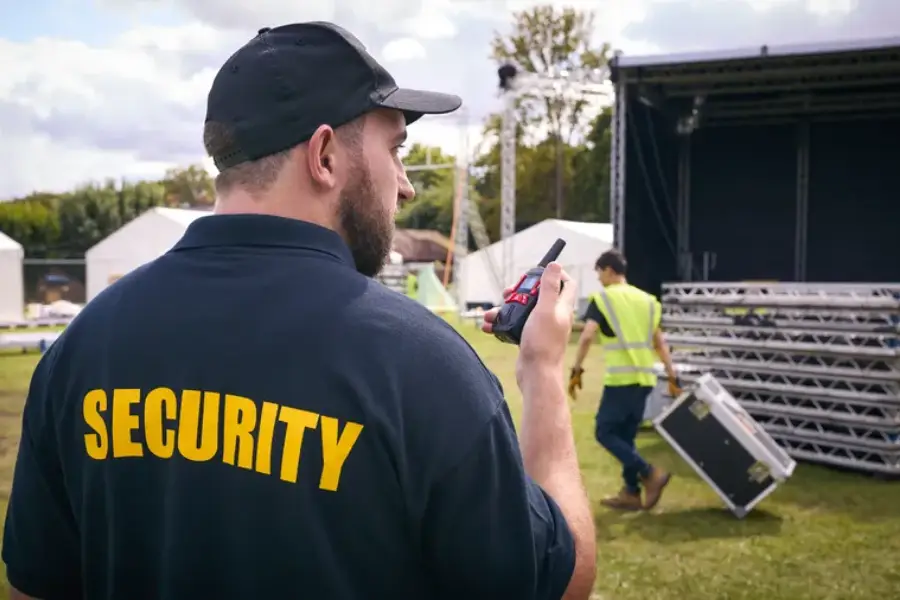
Strong emergency response starts long before doors open. Event planners work closely with event security to build clear plans for possible threats. These plans map exits, medical points, and safe zones. Teams review venue layouts in detail. They also plan for crowd flow to avoid bottlenecks. This early work lowers panic during real incidents. It gives staff clear roles and reduces guesswork when time matters most.
Key Advantages of Structured Emergency Response With Trained Staff
Professional protection services offer many clear benefits. Event security teams train for pressure and fast decisions. They practice crowd control and basic medical aid. They also learn de-escalation skills to calm guests. These skills reduce injuries and limit chaos. Events with trained response teams often see faster help times and fewer disruptions when issues arise.
Common Emergency Challenges That Put Guests at Risk
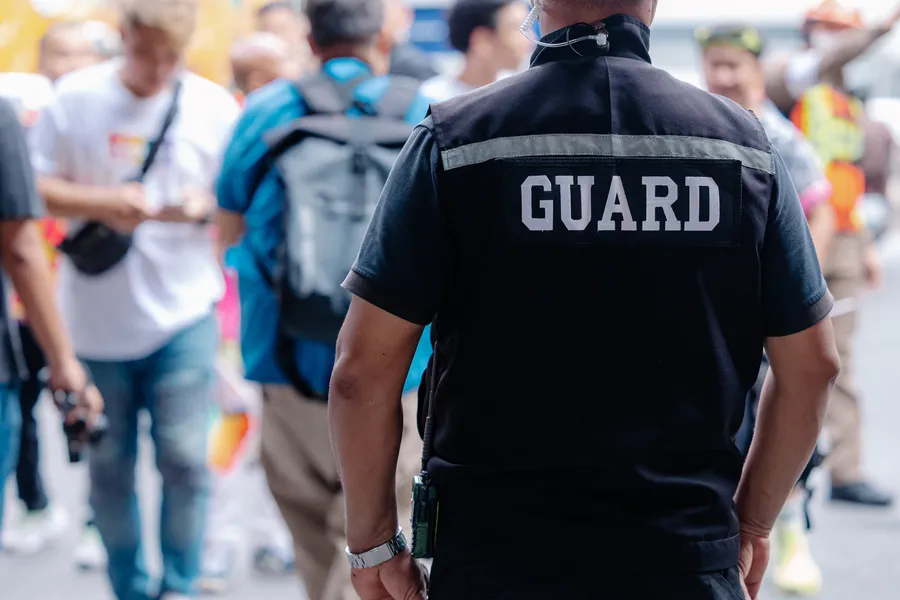
Emergencies during gatherings often share similar problems. Poor lighting can slow evacuations. Loud noise may block clear instructions. Large crowds may react with fear if guidance lacks clarity. Medical events can spread panic if help seems delayed. Weather changes may force fast decisions. These challenges grow when staff lack training or clear authority during critical moments.
Step-by-Step Response Process During an Active Incident
Clear steps help teams act without delay during emergencies. Each step focuses on safety and control.
- Identify the issue through reports or monitoring tools
- Alert command staff and emergency partners
- Guide guests using calm, clear instructions
- Secure the area to prevent further risk
- Support medical or fire responders on arrival
Best Practices That Improve Outcomes During Emergencies
Experienced teams follow proven habits that reduce harm. These actions create order during stressful situations.
- Run drills before each major event
- Use simple language over loudspeakers
- Assign staff to fixed zones and exits
- Maintain clear walkways at all times
- Review plans after every incident
Industry Rules and Safety Standards That Guide Response
Safety teams must meet local and national rules. Fire codes define exit access and capacity limits. Health rules require trained medical responders for large crowds. Many venues follow guidelines from groups like OSHA and local fire marshals. These standards exist to protect guests and staff. Following them also lowers legal risk for organizers.
Comparing Proactive Planning Versus Reactive Response
Planning before incidents offers clear value when compared to reacting after problems start.
- Proactive approach: fewer injuries, faster control, clearer communication
- Reactive approach: delayed response, higher panic, increased liability
Cost Factors and Long-Term Value of Prepared Teams
Emergency planning adds cost to event budgets, but it saves money long term. Costs depend on crowd size, venue type, and local rules. Investing in trained staff lowers injury claims and event shutdown risks. It also protects brand trust. Guests return to events where they feel safe and supported during challenges.
Protecting Guests Through Emergency Response Expertise
Located in Baton Rouge, LA, we provide emergency planning support that protects people and property. H&H Security Group LLC Headquarters delivers trained teams, clear processes, and dependable response for many event types. Our professionals focus on prevention, fast action, and calm guidance. Call (206) 945-0873 to discuss safety planning and response services that meet your event needs.